

Voice of the Members
How the SVEC Board Represents Consumer-Members
The cooperative difference is clear every day — if you know where to look for it. It might be the ways Suwannee Valley Electric Cooperative participates in community events or even the newsletter you’re holding in your hands that gives you a glimpse into the workings of your electric utility.
But perhaps the most important way cooperatives differ from privately owned power companies is the way they are governed. SVEC does not answer to a group of shareholders living somewhere far away. Instead, we keep decision-making local, led by people who understand life in the Suwannee Valley because they live and work here, too. Unique to the cooperative business model, this leadership approach keeps cooperatives like ours accountable and aligned with the communities we serve.
Take Board President Mike Adams. Like many people in our community, Mike is a farmer. Growing a variety of crops on his property in Hamilton County helps Mike bring fresh agricultural perspectives to the table. Coupled with a background in finance, the blend of knowledge and personal experience helps him better understand the needs of his district and the cooperative as a whole. When an opening for his district happened in 2015, Mike saw the opportunity to contribute his skills and serve others.
“I had served as a county commissioner for 12 years. When the last SVEC trustee for my district made it clear he was leaving, I looked into it and felt like it was something I could do to help because I have a degree in finance,” Mike says. “So, I thought I could represent the people of Western Hamilton County by looking over the finances of the co-op.”
Local Representation
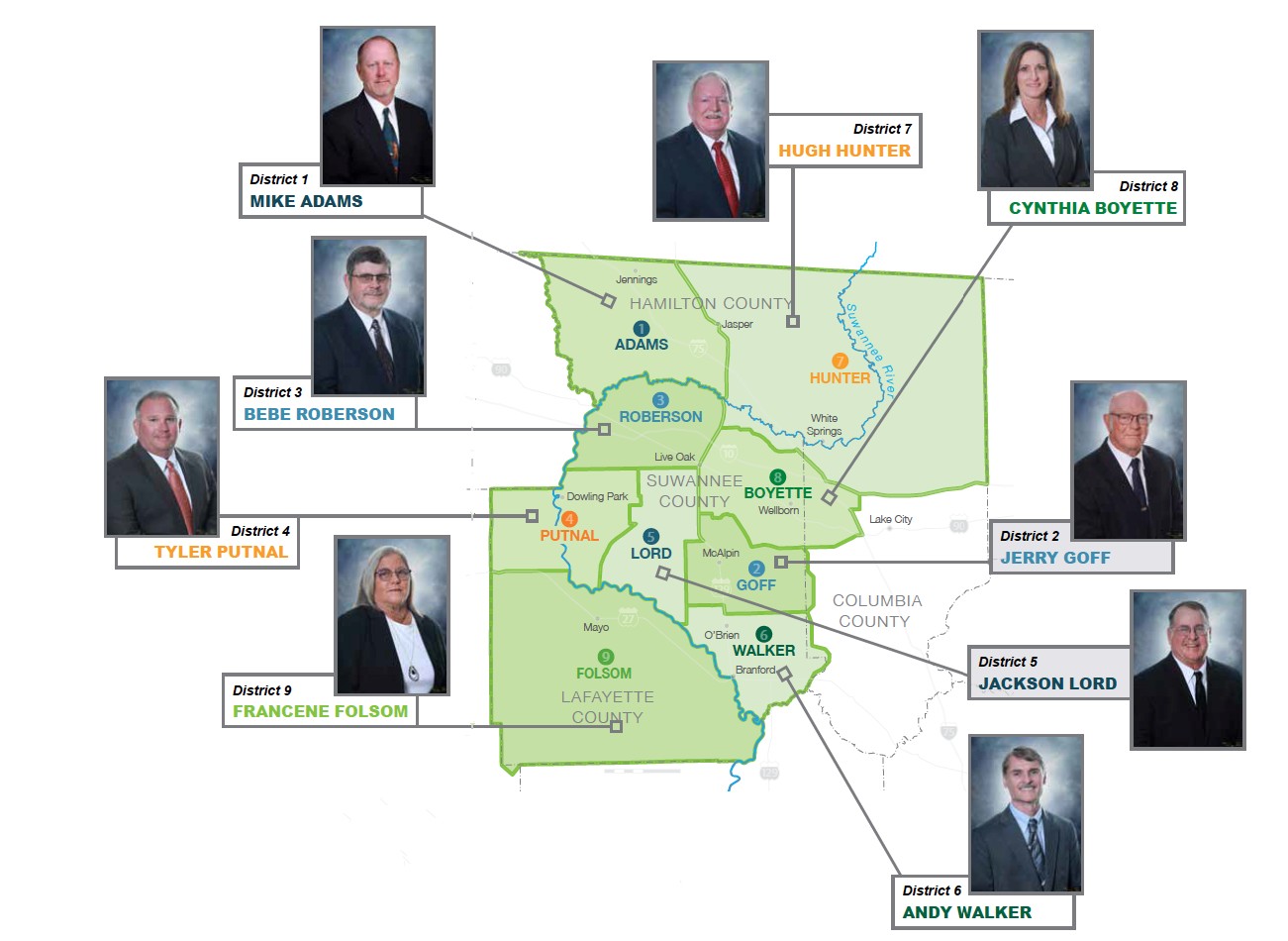
SVEC’s system covers more than 2,100 square miles of territory. To make sure everyone in that area has a voice in how their cooperative operates, the service footprint is divided into nine geographical districts. Each of those districts is represented by a trustee, whom consumer-members vote for at the annual meeting.
All candidates who run for a seat on the board must live in SVEC’s service area and be consumer-members in the districts they represent. They are nominated by fellow cooperative members at district meetings before the vote at the annual meeting. Once elected, each trustee serves a three-year term.
That means people who live here, just like you, are involved in every decision the cooperative makes. Furthermore, each district is structured to ensure that everyone who is part of the co-op has equal representation, with each district including roughly the same number of consumer-members.
The board of trustees holds the highest level of authority at the co-op. Through monthly board meetings, trustees hear from each department at SVEC and stay informed on current operations. Based on those reports, they oversee strategic direction, long-term planning, financial oversight, hiring, and evaluations of the general manager and other policies that guide the co-op.
They also make sure everything SVEC does is in line with the shared cooperative of Voluntary and Open Membership, Democratic Member Control, Members’ Economic Participation, Autonomy and Independence, Education, Cooperation Among Cooperatives, and Concern for Community.
“I think members don’t always understand that they are also owners of SVEC,” Mike says. “That means they have a voice; they just have to use it. As their board members, we’re happy to listen. All we want to do is make sure they have good service.”
Share this article