Treasure Hunting for Shells & Wildlife
By Chelle Koster Walton, Visit Florida
Left-handed shells. A fish with fins, legs, wings, and an identity crisis. Crabs that put themselves in time-out. Bones once belonged to prehistoric monsters. Birds that eat with big pink spoons. What kind of place is this anyway?
No, you haven’t stepped inside a Dr. Seuss book. This is Lee County in Southwest Florida, where wondrous creatures past and present make a family treasure hunt better than fantasy.
Fossil Fueled
Begin your Lee County treasure hunt in the past. The way past. Hook up with Fossil Expeditions, operated by a vocational paleontologist author and his artist wife in Lehigh Acres. Paddling along the Caloosahatchee and Peach Rivers, Mark and Marisa Renz take you in search of fossil teeth and bones from some of Florida’s extinct early inhabitants, including mammoths, mastodons, giant sloths, rhinos, and saber-toothed cats. Expect to get wet as you snorkel or pan for treasures with a screen sieve in knee-deep water. Any historic or scientifically important finds go to the state, the rest of the booty you keep.
Shell of a Treasure
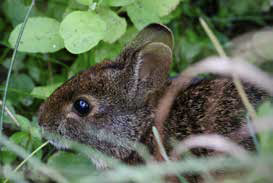
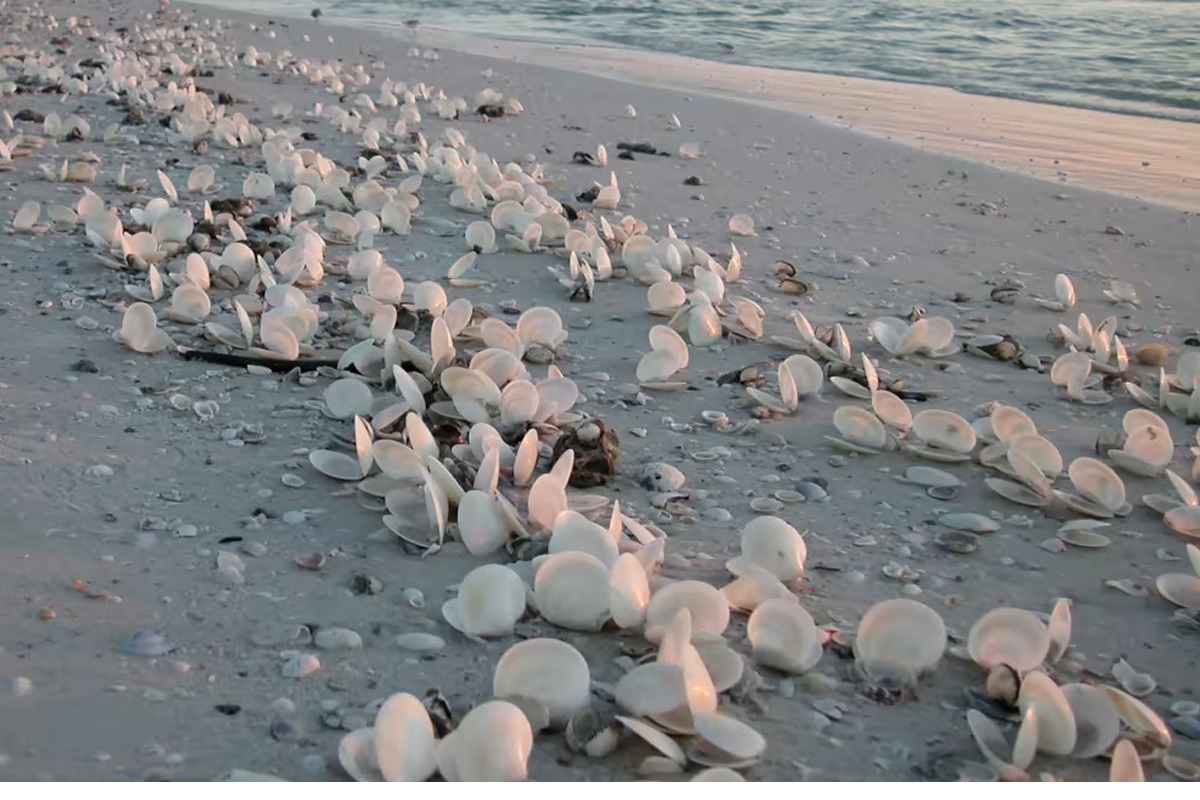
In case you haven’t heard, Sanibel Island beaches rock when it comes to shells. You can’t take a step without crunching down on a dozen or so. All you need is a bag and a bendable back to do the so-called Sanibel Stoop. A shell ID chart helps, or you can stop at the Bailey-Matthews National Shell Museum to learn more about your finds.
The islands above Sanibel also hold treasure troves but are less accessible due to a lack of bridges. But that makes their shell hoards less plundered. Adventures in Paradise, east of the Sanibel causeway, makes your family’s entry into the world of shelling fun and instructive with boat cruises to help you find and classify your haul.
Watchable Wildlife
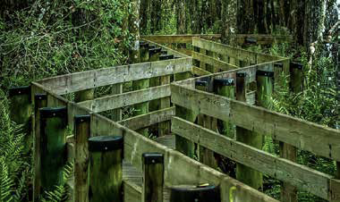
As a major stopover along a well-traveled flyway, Lee County counts more than 200 bird species, including great blue herons, ospreys, red-shouldered hawks, great white egrets, and those comical roseate spoonbills, whose name comes from their pink spatulate beaks. To see them in their natural habitat—along with alligators, otters, and squirrels—do the boardwalk at Six Mile Cypress Slough Preserve. Here treasure hunting gets a little tricky, requiring high levels of quiet, stealth, and keen observation.
For the benefit of the less patient in the family, head down the road to nearby Calusa Nature Center and Planetarium, where butterflies, pelicans, alligators, egrets, snakes, and rehabilitating birds are contained for easy observation. Stay for the live animal demonstrations, a show in the Planetarium, or explore 105 acres of Old-Florida ecosystems.
Share this article