
Safety First
Culture of Safety
SVEC Builds Trust Through Training, Communication & Care
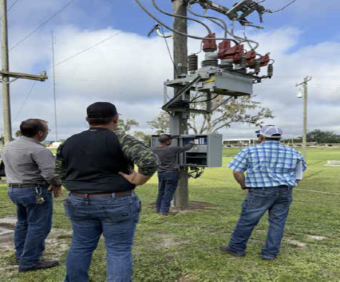
Safety isn’t merely a checklist item at Suwannee Valley Electric Cooperative. It’s a culture built into every conversation, every inspection and every storm response. For SVEC Safety Manager Craig Ragan, believes that culture comes down to caring about people.
Craig began his SVEC career in 1989 as a meter reader. He then climbed the ranks as a lineworker, foreman and supervisor before stepping into the safety manager role five years ago. That career path, he feels, gives him credibility with the crews in the field and perspective on the risks they face.
“I want the guys and the gals at SVEC to know I care about them,” Craig says. “Of course, I care that everything gets done safely, but it’s more than that. If people know you care about them, not just the job they do, but about their well-being, it goes a long way.”
Focusing on the Little Things
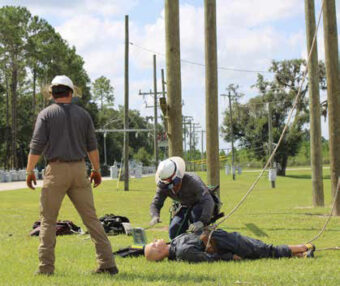
Each Monday, Craig conducts safety checks throughout the SVEC campus, inspecting everything from first-aid kits and fire extinguishers to workspaces. “The little things are the most important,” he says. “A nail, a staple or a screw that falls off a truck. If I don’t pick it up, it could puncture a $400 truck tire. Small things become big things if you ignore them.”
He adds that while crews are trained to catch potentially big problems, like a frayed rope on a derrick truck, he also zeroes in on issues like potholes in a walkway that could lead to a twisted ankle.
Preparedness is another cornerstone of SVEC’s safety culture. Regular fire drills, bomb-threat simulations and other emergency exercises help ensure employees know exactly what to do under pressure.
“If you practice doing it enough times, when it actually happens, it’ll be second nature,” Craig says. “You automatically know your emergency exit route because you’ve already walked it numerous times.”
Monthly safety meetings reinforce these initiatives. Crews gather to train and review incidents, including near misses — close calls that could have caused accidents but didn’t.
“All of our near misses become training tools,” Craig says.
“If something happens to one person and they keep it to themselves, nobody else learns from it.”
One recent near miss involved a tie-down strap used on pole trailers. A steel bar broke during tightening, nearly causing a serious injury. An in-house team researched a solution and instituted a new type of winch system.
“Now, that problem will never happen again,” Craig says.
Communication Is Key
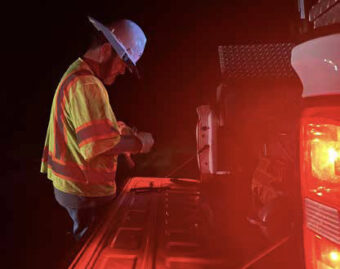
The process highlights the emphasis on communication. Employees are instructed to report a problem for discussion, no matter how big or small they think it may be.
This year, as it does every three years, SVEC is participating in the Rural Electric Safety Achievement Program, in which inspectors from co-ops across the state evaluate each other’s facilities.
“It’s not just about making SVEC better. It’s about making everybody in the state better,” Craig says. “One of our linemen came up with a motto: ‘If you stay ready, you never have to get ready.’ That’s what we live by.”
SVEC has even instituted its own in-house safety achievement team, made up of employees from across departments. That diversity is intended to help bring fresh perspectives to inspections and conversations.
Weathering the Storms
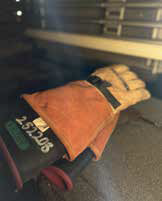
The surge of extreme weather in recent years has tested SVEC’s storm response. When the response involves hundreds, even thousands, of outside lineworkers arriving to help restore power, the emphasis on safety over speed is heightened.
“If that means somebody won’t get their power tonight, then we’ll do it tomorrow morning when conditions are safer,” Craig says.
That mindset extends to detailed storm protocols, including carefully coordinating the work of all lineworkers through SVEC’s “war room.”
“It can feel like organized chaos,” Craig admits, “But with constant communication, everybody knows where they’re supposed to be, and we get it done safely.”
Caring for Our People
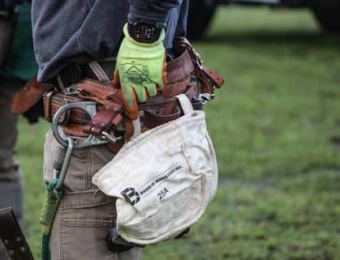
Last month, SVEC joined utilities across the country in the Nationwide Safety Stand Down, pausing to reflect on fallen lineworkers and recommitting to safe practices.
The top levels of SVEC leadership reinforce that message. “We’re blessed that our general manager and board wholeheartedly support safety,” Craig says. “When the boss stands up and says, ‘We’re not worried about the job, we’re worried about y’all,’ that’s a big deal.”
For Craig, the motivation behind every aspect of his job is deeply personal. “I want everyone to go home safe, see their kids’ ballgames and enjoy their families,” he says. “The job’s important, but family is most important. Knowing I can help make that happen is what makes this work so satisfying.”
Share this article