Login

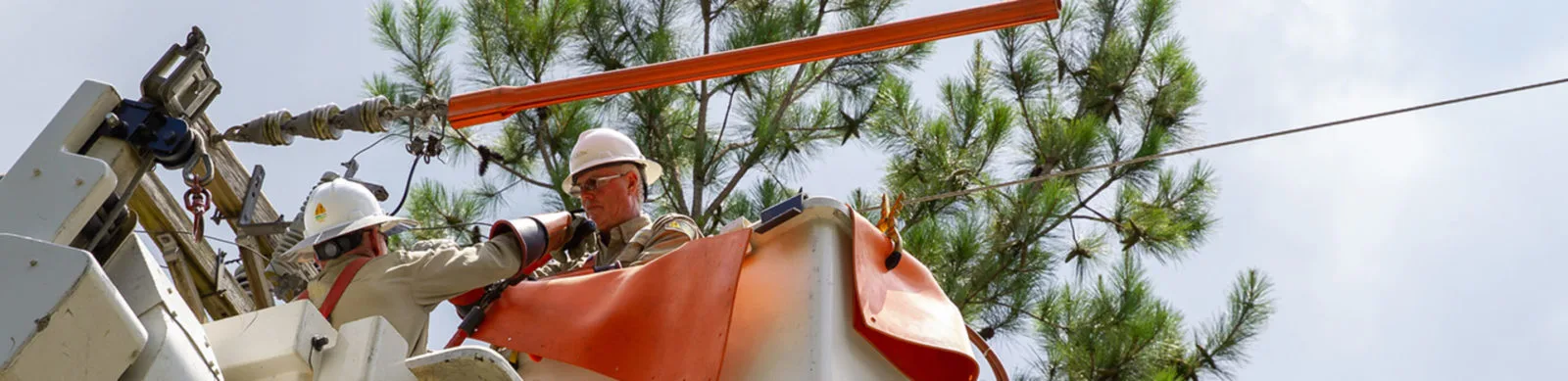


Powering the American promise
Celebrating 90 Years of shaping communities through rural electrification
As America celebrates its 250th birthday, another milestone reminds us that some of the nation’s greatest achievements didn’t happen in bustling cities or on battlefields. They happened on country roads, family farms and in rural communities where neighbors came together to build a brighter future.
This year marks the 90th anniversary of the Rural Electrification Act, a transformative initiative that forever changed life in rural America and laid the foundation for organizations like Suwannee Valley Electric Cooperative.
A countryside in darkness
Today, it’s difficult to imagine life without electricity. But in the mid-1930s, nearly 90% of rural homes and farms across the United States were dark after sunset. Rural families often relied on kerosene lamps, wood stoves and manual labor.
The challenge wasn’t a lack of demand. The problem was economics. Private utilities saw little profit in building miles of power lines to serve just a handful of homes. That left millions of Americans waiting for a connection to the modern world.
The turning point came during the Great Depression. In 1935, President Franklin D. Roosevelt signed an executive order creating the Rural Electrification Administration. A year later, Congress passed the Rural Electrification Act, establishing a federal loan program to bring electricity to rural communities.
The idea was simple but revolutionary — provide affordable financing and allow local people to organize and build electric systems of their own. What followed was one of the most successful infrastructure campaigns in American history.
Neighbors take charge
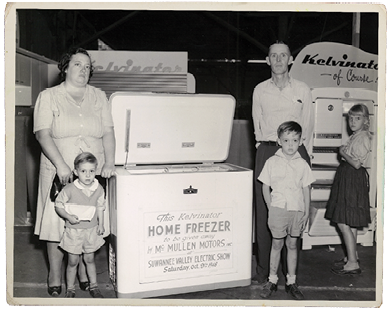
like freezers, accessible for local
families.
Farmers and community leaders across the nation formed member-owned electric cooperatives, pooling resources and working together to build the lines that private companies would not. The cooperative model reflected the spirit of self-reliance, local control and neighbor helping neighbor. Communities didn’t wait for someone else to solve the problem. They organized, elected local leadership and invested in their own future. The results were dramatic.
Following World War II, the pace of rural electrification picked up significantly. Within a few years, the number of rural electric systems doubled, the number of connected consumers more than tripled and thousands of miles of power lines stretched across the countryside. By 1953, more than 90% of American farms had electric service.
“The night the lights came on” became a life moment and a cherished memory for many families, passed from generation to generation. Among the communities transformed by the rural electrification movement were those of North Florida.
A local legacy is born
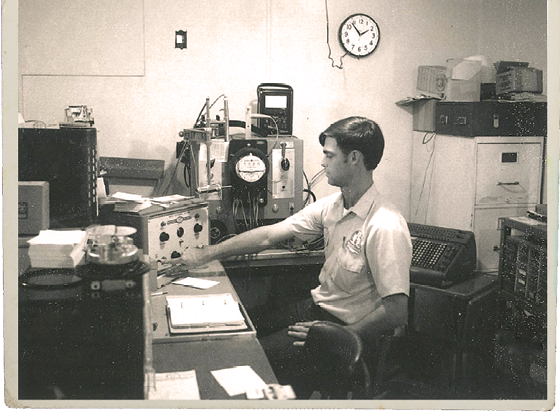
in 1969.
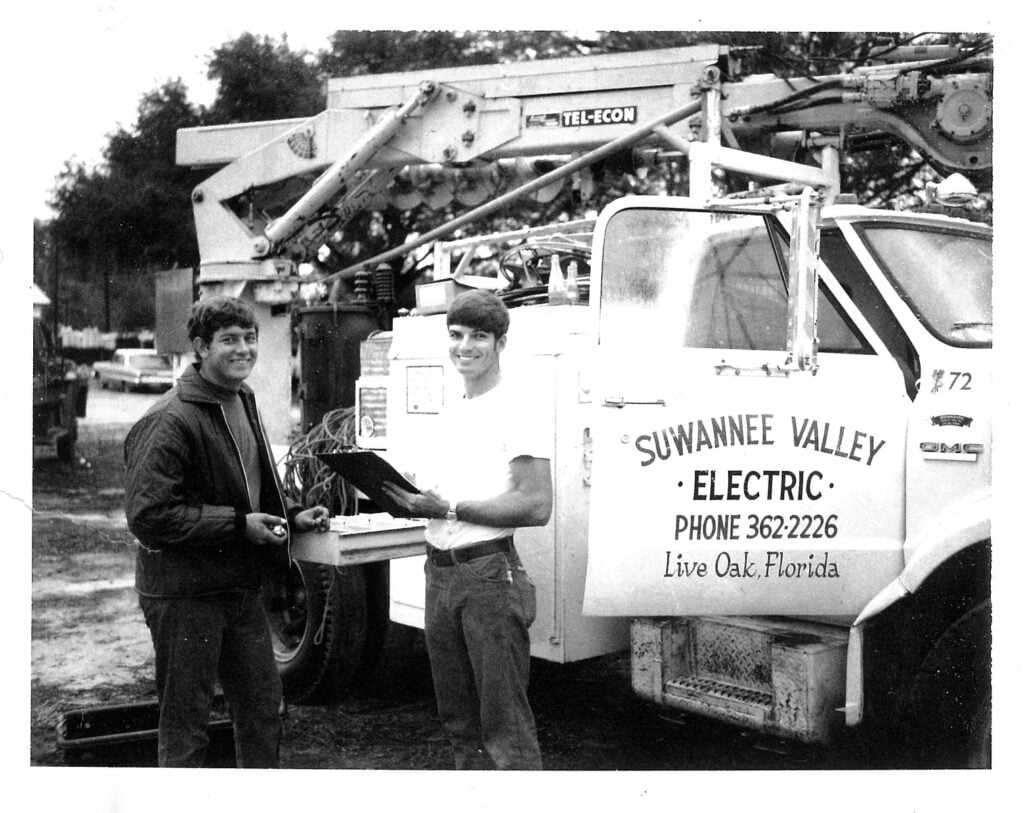
On Dec. 29, 1937, local leaders established Suwannee Valley Electric Cooperative to bring electricity to areas that private power providers considered unprofitable to serve. Inspired by the opportunities created through the REA, community advocates organized rural residents and secured the resources needed to build a local electric system.
In 1940, SVEC energized its first lines, serving just 69 members. For those families, electricity meant much more than convenience. It created new opportunities for farming, business, education and quality of life.
Like hundreds of electric cooperatives formed during the REA era, SVEC became a testament to what determined communities could accomplish when given the tools to succeed.
The cooperative continued to grow alongside the region it served. In 1948, SVEC joined with 10 other distribution cooperatives to create Seminole Electric Cooperative, helping ensure a reliable and affordable wholesale power supply that continues today.
Over the decades, the co-op embraced new technologies while remaining committed to the same mission established nearly 90 years ago — improving the lives of the people it serves.
Bridging new divides
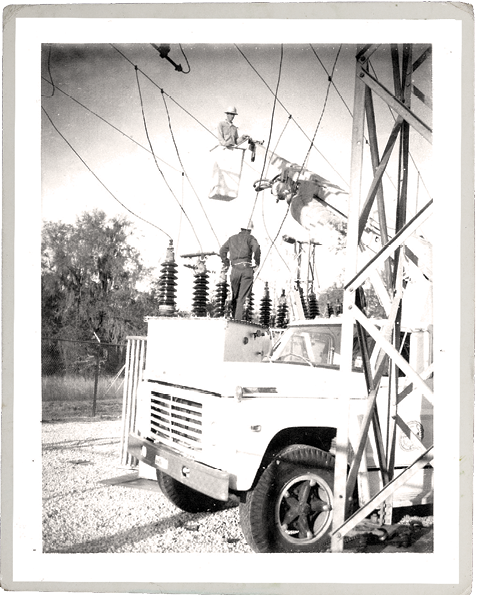
That mission is clear in modern investments such as advanced distribution technology that can automatically detect faults and reroute power to reduce outages. It is also reflected in Rapid Fiber Internet, SVEC’s fiber-to-the-home broadband initiative designed to connect rural residents to the digital economy. Just as electricity once bridged the gap between rural and urban America, high-speed internet now helps close the digital divide.
The tools have changed, but the purpose is still the same.
As the nation celebrates 250 years of independence and reflects on the ideals that shaped America, the story of rural electrification offers a lesson that lives on — what can happen when ordinary people come together to solve extraordinary problems.
Electric cooperatives demonstrate the power of local leadership, community investment and shared purpose. The lights that first illuminated rural America became symbols of opportunity, prosperity and hope.
And from those first energized lines to today’s advanced electric and broadband networks, cooperatives like SVEC continue to carry that promise forward.