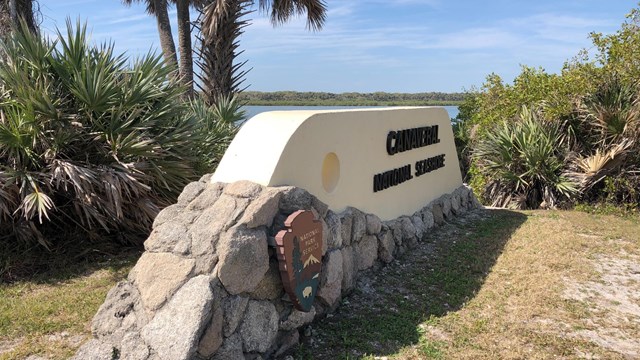
Canaveral National Seashore
By Visit Florida Staff
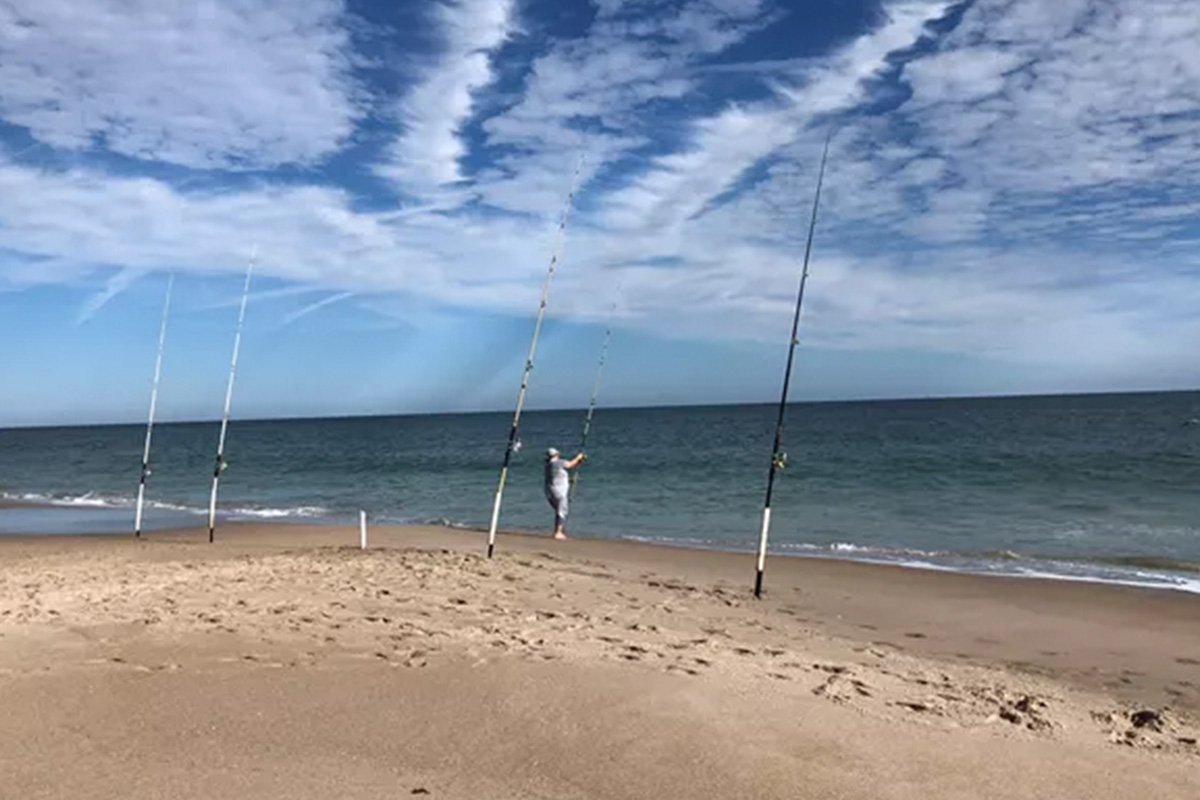
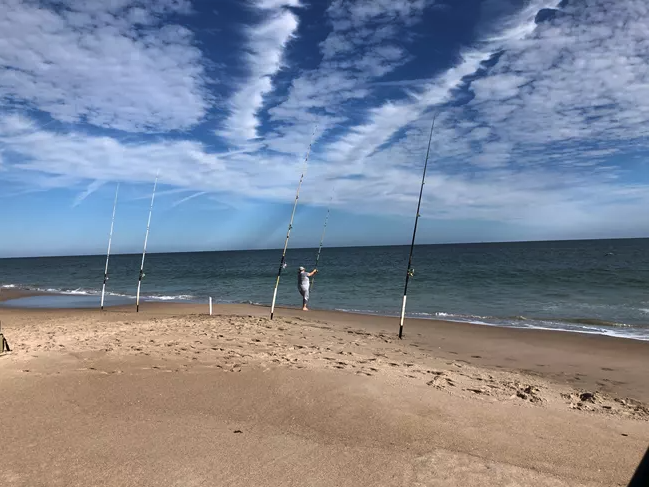
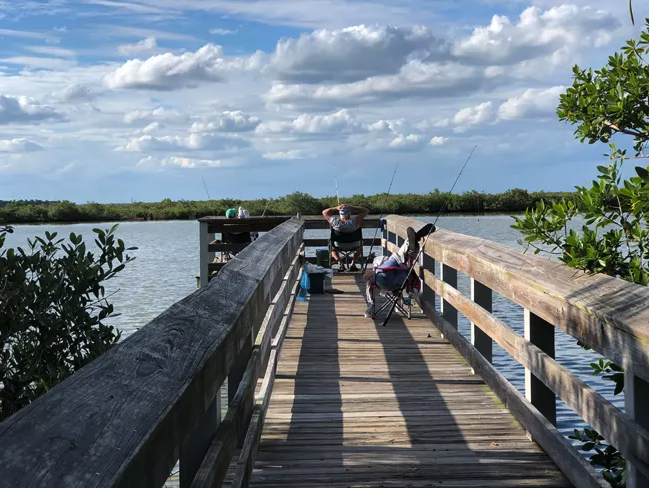
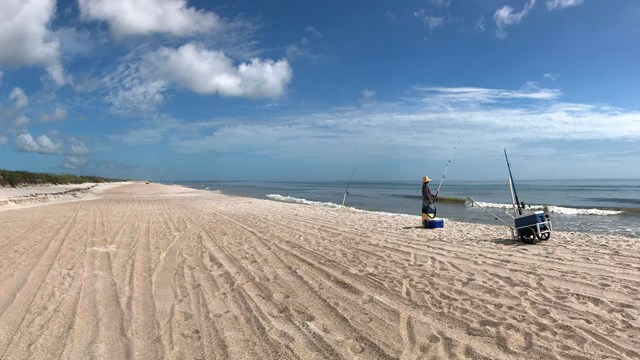
The Canaveral National Seashore, near the Kennedy Space Center, comprises nearly 58,000 acres. Florida’s largest national seashore is also the nation’s fourth largest. Get there via New Smyrna Beach and Titusville. You can fish, hike, go boating, watch wildlife, go horseback riding, absorb Florida history, hear nature lectures, and go hunting in season.
Officials have recorded 1,045 plant species and 310 bird species. The seashore is home to 14 wildlife species on the federal threatened or endangered lists. Among them are sea turtles, manatees, bald eagles, wood storks, peregrine falcons, indigo snakes, and scrub jays.
The wildlife is part of the romance. Every year, for example, the seashore is home to the annual cycle of the sea turtles.
If you are lucky, you might spy a turtle or its telltale tracks. Turtle watches take place during June and July. Call the park for details.
If you are even luckier, you might spy a jaguarundi. These otter-like cats are not Florida natives, but park lore says at least one of the creatures roams the area. A photo of one of the exotics is posted in a park information center.
A favorite among visitors is the 6-mile Black Point Wildlife Drive, a winding road with stops to gaze over woods and wetlands, where birds wade and bob and, if they tire of human intrusion, flap away. This drive is part of the Merritt Island National Wildlife Refuge, adjacent to the seashore.
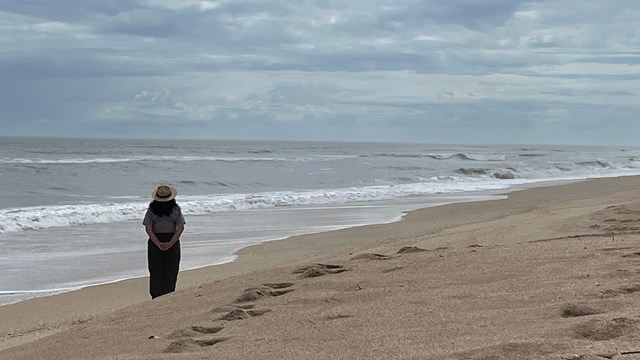
It is difficult to visit this undeveloped shore without feeling like you’re traveling through time. The Timucua, one of Florida’s indigenous tribes, stood on this beach centuries ago. The Spanish, French, and British colonists stepped ashore on beaches much like this one.
Timucuan mounds take you further into the past. If your timing is right, you might see an archaeological dig taking place at Castle Windy, a midden dating at least to 1300 A.D. Turtle Mound reaches back to the same era, and a wooden walkway elevates visitors toward a panoramic view of the Atlantic and Mosquito Lagoon, the latter aptly named during certain months. Bring repellent. Parts of another mound, called Seminole Rest, may be as much as 4,000 years old.
More recent history includes the 19th-century settlement of Eldora. It once was a village of 200 people who grew citrus, indigo, pineapple, and other agricultural products. It served as a steamboat stop before the railroad arrived. It was also the site of a government “house of refuge” for shipwrecked mariners. The village expired around 1975, but one house has been restored and is open to the public.
Share this article